Search This Blog

Tuesday, January 7, 2020

DHS Will No Longer Pay Landlords 1 Year’s Rent Up Front To House Homeless

It comes nearly a year after CBS2 first began demanding answers, finding some New Yorkers living in deplorable conditions. Now we’ve gotten action.
The way the program has worked is New York City pays landlords here and across the country on year’s rent up front. That made it easy for some landlords to take the money and run. But now, CBS2 has learned, landlords will only be getting paid monthly.
Since January of 2019, we’ve been finding former New Yorkers living in New Jersey in homes without heat, without electricity, and infested with rodents. They are the forgotten families, relocated by New York City from homeless shelters to private units outside the five boroughs under SOTA, the Special One Time Assistance program.
One years rent – on average $17,000 – given to those landlords up front and in full, disincentivizing them to make any repairs.
Tuesday, a City Hall spokesperson confirms, starting Feb. 1 landlords participating in the SOTA program will be paid monthly instead.
“More than 5,000 households have secured affordable housing through this program—just one of the range of resources we offer to families in need as part of our comprehensive, multi-pronged approach to helping New Yorkers experiencing homelessness get back on their feet. In the limited situations where a property owner may not live up to their commitments and housing fails to deliver what our clients deserve, we intend to use every tool at our disposal to hold them accountable. That’s why, as part of our ongoing efforts to continually strengthen our programs, beginning in February, we are transitioning to a monthly payment structure for SOTA that will further empower program participants and ensure landlords are responsive in addressing any concerns that may arise,” a DHS spokesman said.
It comes weeks after Department of Homeless Services Commissioner Steve Banks appeared on CBSN New York’s show The Point. Marcia Kramer pressed him.


“But why do you have to give them a year in advance? Why give them month by month so you can check to make sure the apartments are up to snuff?” Kramer asked.
“Look, we’re open to making changes in the program,” Banks said.
The Department of Investigation had also recommended the change in a scathing report last month, writing that if landlords are paid monthly and don’t provide suitable housing, then DHS could cancel remaining SOTA payments to the landlord instead of attempting to recoup the payments through legal means, which is often unsuccessful.”

In East Orange, N.J., housing officials there had to take landlords to court, making them pay fines in New Jersey. But still, New York City has not been able to recoup the hundreds of thousands of dollars in taxpayer money it paid to unscrupulous landlords.
CBS2’s Lisa Rozner spoke with some former SOTA recipients about the change, and they agreed it is a good idea. But they say the monthly payments still don’t stop landlords from providing substandard housing.
In the meantime, we know that DHS is working on setting up a hotline this year that SOTA recipients experiencing problems can call.

Saturday, January 4, 2020

Hospitals Exploring Short-Term Housing For Homeless Patients

Hospitals Exploring Short-Term Housing For Homeless Patients To Free Up Beds
Hospitals around the country are seeking to reduce their bed counts to cut costs, but the most economically vulnerable patients present a unique obstacle that is only just beginning to be addressed.
The American Hospital Association and a number of regional hospital systems have begun initiatives to build temporary housing for homeless patients or those experiencing housing instability, Fox News reports.
For hospitals with a mandate not to discharge patients straight to the street or deny care based on ability to pay, a basic apartment could be much cheaper to operate than a hospital bed.
As well-funded hospitals sink billions into new construction and renovation to keep costs low, hospitals that serve Medicare- and Medicaid-covered populations have been struggling to keep the lights on in recent years due to spiraling costs.
Some creative solutions have begun to emerge at the local level. The Denver Housing Authority is partnering with Denver Health to renovate a vacant building on the latter’s main campus into low-income senior housing, but the hospital is leasing back one of the floors to create 15 transitional units, Fox News reports. Patients that would otherwise remain in the hospital due to uncertainty over their next living situation would be placed in the units while permanent housing of some sort is lined up.
Denver Health expects the units to cost $10K per patient each year, compared to the $2,700 per day for a hospital bed, Fox News reports.
AHA is currently working in 10 markets across the U.S. as part of its Hospital Community Cooperative Program to address social issues like housing instability that negatively impact health outcomes, Fox News reports. The organization projects that social inequities, including housing, will cost the country’s healthcare system $126B this year.
Safety net hospitals in urban and low-income areas bear a greater portion of those costs than facilities in affluent communities, since Medicare and Medicaid pay much less for care than most private insurers.
On top of that, nearly 28 million non-elderly Americans have no health insurance, according to a Kaiser Family Foundation report released in December.
The University of Illinois Hospital & Health Sciences System has put hundreds of thousands of dollars into a pilot program called Better Health Through Housing that discharges homeless hospital patients in its Chicago-area facilities to a network of living units with “intensive case management,” Fox News reports. The program is set to expand this year to 75 patients from its starting number of 26.
https://www.bisnow.com/denver/news/healthcare/hospitals-short-term-housing-homeless-expensive-beds-102364

Philadelphia landlord says offering telehealth to tenants is a ‘no-brainer’

On top of in-unit laundry and central air, landlord and CEO of Philadelphia-based Shift Capital is now offering his tenants telehealth services, according to The Why.
“The concept of landlords providing wraparound services for tenants, in particular, low-income tenants, is a no-brainer,” Brian Murray, CEO of Shift Capital, told The Why.
Mr. Murray operates around 100 affordable housing units in the Philadelphia area. Those renters will now be able to enroll to receive telehealth service for $10 a month. Mr. Murray partnered with Washington D.C. startup Health+ to roll out the services.
For $10 a month, Mr. Murray says that the services could help renters meet their healthcare needs while also maintain their jobs.
“Ideally, this really helps the mother who has the minimum-wage hourly job, and allows her an opportunity to not have to take the day off from work to take [her kids] to the doctor,” Mr. Murray told The Why. “It doesn’t take dollars off her table, she doesn’t lose money off her paycheck. That could start a downward spiral.”
Health+ delivers its services through a combination of a discount prescription drug card from Clever RX and Teladoc Health.
However, landlords should be cautious when thinking about offering telehealth services, according to James Plumb, MD, co-director of the Philadelphia-based Jefferson Center for Urban Health, as some of the services could create unintended consequences if no primary care physicians are involved.

NY Dangled Extra Incentives in Initial Bid to Lure Amazon HQ2

State officials offered Amazon.com Inc. almost a billion dollars more of incentives than was previously known to win its second-headquarters contest and were even prepared to pay part of some employees’ salaries if the tech company developed a campus in New York.
Documents reviewed by The Wall Street Journal show the scope of what state and local officials initially put on the table as part of the 2017 HQ2 competition, in which more than 200 cities submitted bids to host a facility that Amazon said would house 50,000 jobs.
The company said in November 2018 that sites in Northern Virginia and the Long Island City neighborhood of Queens would split the new headquarters. New York state and city officials agreed to give $3 billion of incentives to the e-commerce giant to hire as many as 40,000 employees.
Facing opposition from some local elected officials, Amazon abandoned its plans for New York on Valentine’s Day last year.
The Journal obtained the records through a Freedom of Information Law request to Empire State Development, the state’s economic development authority.
The documents show that in its first formal bid to Amazon, in October 2017, the state offered to provide up to $2.5 billion of incentives to the company for a campus in New York. The offer also applied to sites that state and local leaders proposed in the Hudson Valley, Albany, Central New York, Buffalo, Rochester and on Long Island.
The state’s initial offer included $1.4 billion of tax credits based on the number of employees hired and $1.1 billion of various grants. That was $800 million more than the ESD agreed to in a memorandum of understanding signed a year later: The state provided $1.2 billion of tax credits and $505 million to reimburse some construction costs.
Before Long Island City was selected, different New York localities made site-specific incentive offers. Nassau County officials offered $2.2 billion in tax exemptions to build a facility at the Belmont Park.
On top of the state’s final $1.7 billion package, New York City ultimately offered Amazon up to $1.3 billion of extra incentives through two programs open to any company.
Officials also presented alternative campus sites, including near the World Trade Center in lower Manhattan, on the island’s West Side near Penn Station and in downtown Brooklyn. The city proposed that Governors Island, a former Coast Guard base between Manhattan and Brooklyn, could serve as an “island retreat” for Amazon employees.
ESD initially proposed to spend $500 million to create a Center for Commercial Innovation near the selected site that would let Amazon partner with various colleges for research relevant to its business. The site would also subsidize job-training programs, according to the proposal, and the state pledged to pay 25% of certain graduates’ first-year wages with Amazon to help it achieve workforce diversity.
An ESD official said on Friday that the initial offer was higher to reflect the original, larger scope of HQ2 and to draw Amazon to the negotiating table. The workforce incentives were designed with upstate areas in mind, the official said, and to help disadvantaged populations.
“Throughout the negotiating process, we sharpened our incentive package and ultimately secured a better return on investment for the state and the biggest economic development opportunity in New York’s history,” ESD spokesman Matthew Gorton said.
Amazon executives have said the HQ2 decision was based on where their employees would want to live more than incentives. Neither Virginia nor New York presented the most generous packages during the nationwide competition: Newark, N.J. dangled $7 billion, while officials in Maryland offered $5 billion.
A company representative declined to comment. City officials have said they presented the best proposal they could to attract the company to strengthen the city’s tech economy.
State Sen. Mike Gianaris, a Democrat from Queens and one of the leading opponents of the Long Island City campus, said news of the initial offer underscored his call to re-examine state incentive programs.
“The more we learn about this twisted process, the worse it appears,” Mr. Gianaris said. “I think it’s good we didn’t have to provide any incentives to get Amazon here, because they appear to be coming anyway.”
In December, Amazon announced plans to lease space for 1,500 employees in Manhattan’s new Hudson Yards neighborhood.
New York Gov. Andrew Cuomo, a Democrat, has repeatedly pointed out that Amazon’s Queens campus was projected to increase city and state tax revenue by as much as $27.5 billion over 25 years.
Kathryn Wylde, president of the Partnership for New York City, a business group, said the incentive offers were justified.
“They demonstrated to Amazon that New York City and state cared about the project and that they had skin in the game. That’s really the point when you’re trying to attract major headquarters operations,” she said.

Thursday, January 2, 2020

Gov OKs law to let NYC use streamlined ‘design-build’ method for big projects

Gov. Cuomo approved legislation Tuesday granting the city the power to streamline capital projects and cut costs through a contracting method known as “design-build.”
The much-heralded technique allows city agencies to issue a single request for proposal and contract for the engineering and construction of capital projects. The bill also forces private contractors to cover any extra costs that come with unexpected changes or delays to a project.
Mayor de Blasio and City Council members have fought for the expansion of the expedited process, which lets them cut through red tape and save money, for years.
“Design Build means less red tape and more new-and-improved libraries, roads, and bridges. Now we’ll be able to save time and money on critical projects that truly matter to New Yorkers,” the mayor said as he thanked the governor and legislators for passing the bill.
Cuomo himself is a major proponent of the power.
In his approval message, the governor touted his use of design-build to fast track state projects including the expansion of the Javits Center and replacing the Tappan Zee Bridge.
The process “increases efficiency by enabling the project’s owner, designer and builder to closely collaborate from conception to completion and provides crucial time-savings,” Cuomo wrote.
The bill gives union projects a leg up by allowing the city to use design-build authority for any large project with a collective-bargaining deal in place.
Design-build can also be applied to most undertakings of the Department of Design and Construction, Department of Environmental Protection, Department of Transportation, Health and Hospitals Corporation, School Construction Authority that costs more than $10 million. The legislation sets the threshold for the Parks Department or the Housing Authority at $1.2 million.
City lawmakers, including sponsors Assemblyman Ed Braunstein (D-Queens) and Sen. Leroy Comrie (D-Queens), have said the method could slash costs and speed up much-needed repair projects such as the reconstruction of four crumbling bridges on the Belt Parkway in South Brooklyn.
A source close to the negotiations surrounding the measure told the Daily News that an agreement was reached between Cuomo and the legislature to grant similar authority to state agencies in the near future.
In his approval, the governor made clear he wants to expand the use of the technique.
“Design-build is important for capital projects across the state, not just New York City, and should be addressed on a statewide basis,” he wrote.

Wednesday, January 1, 2020

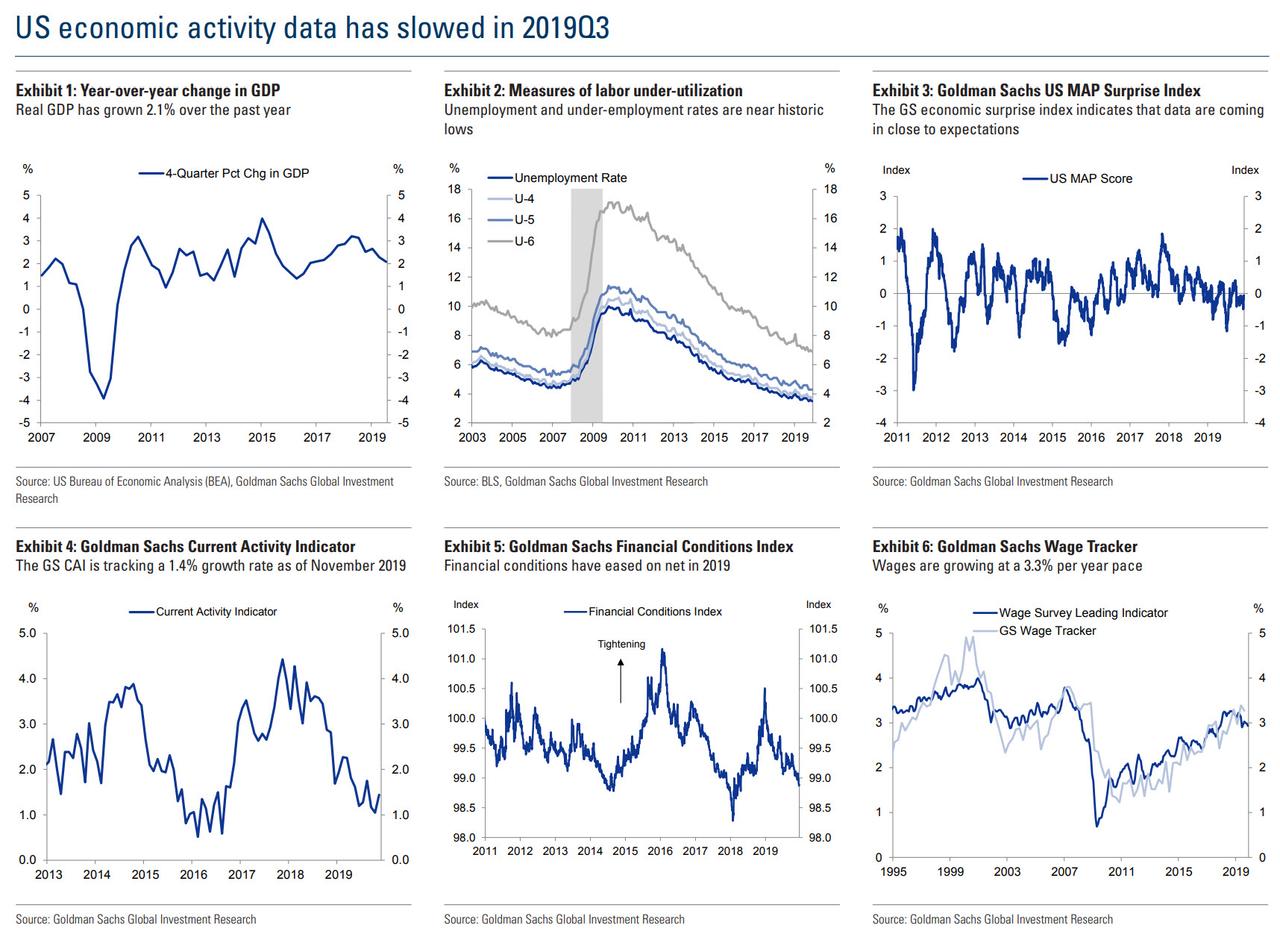
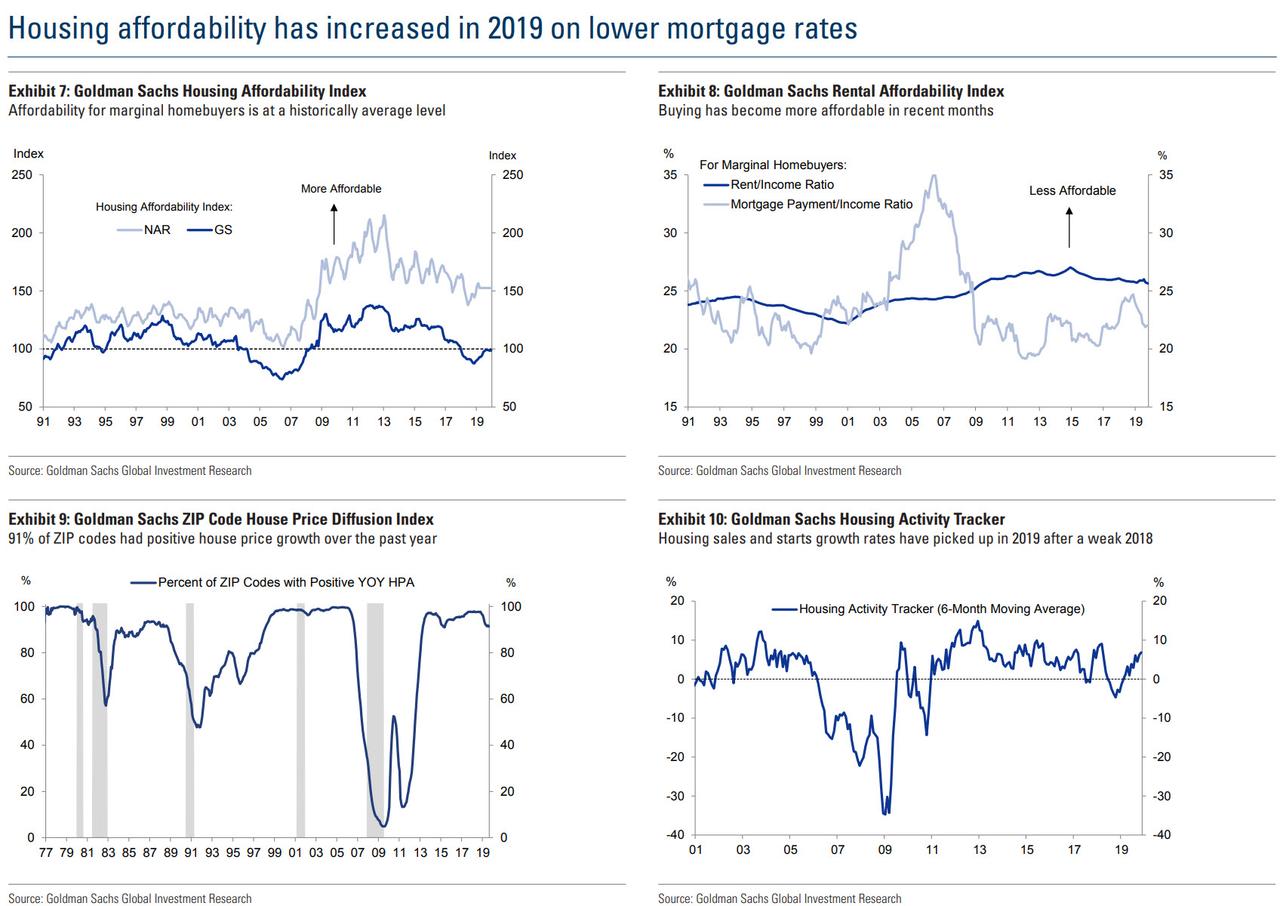
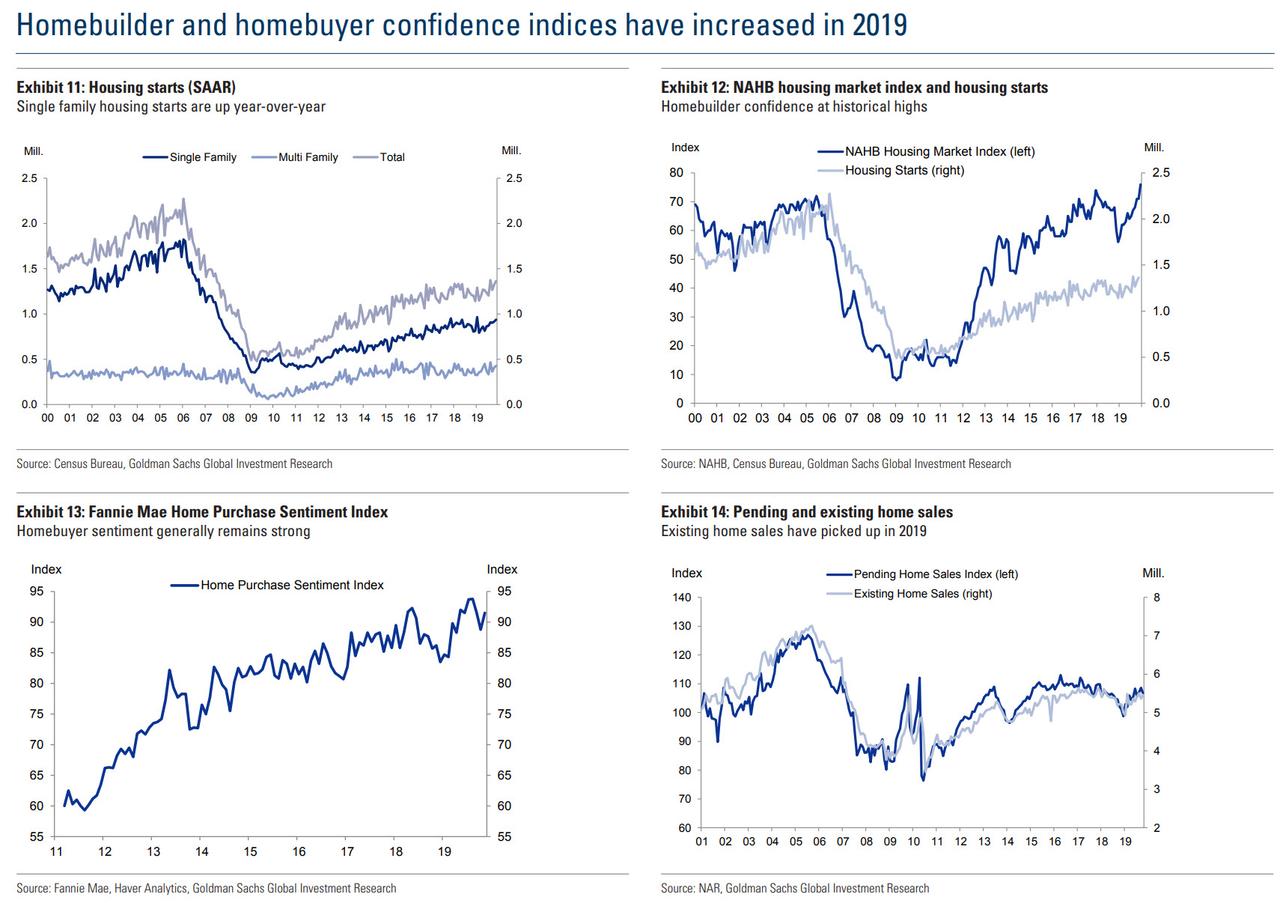
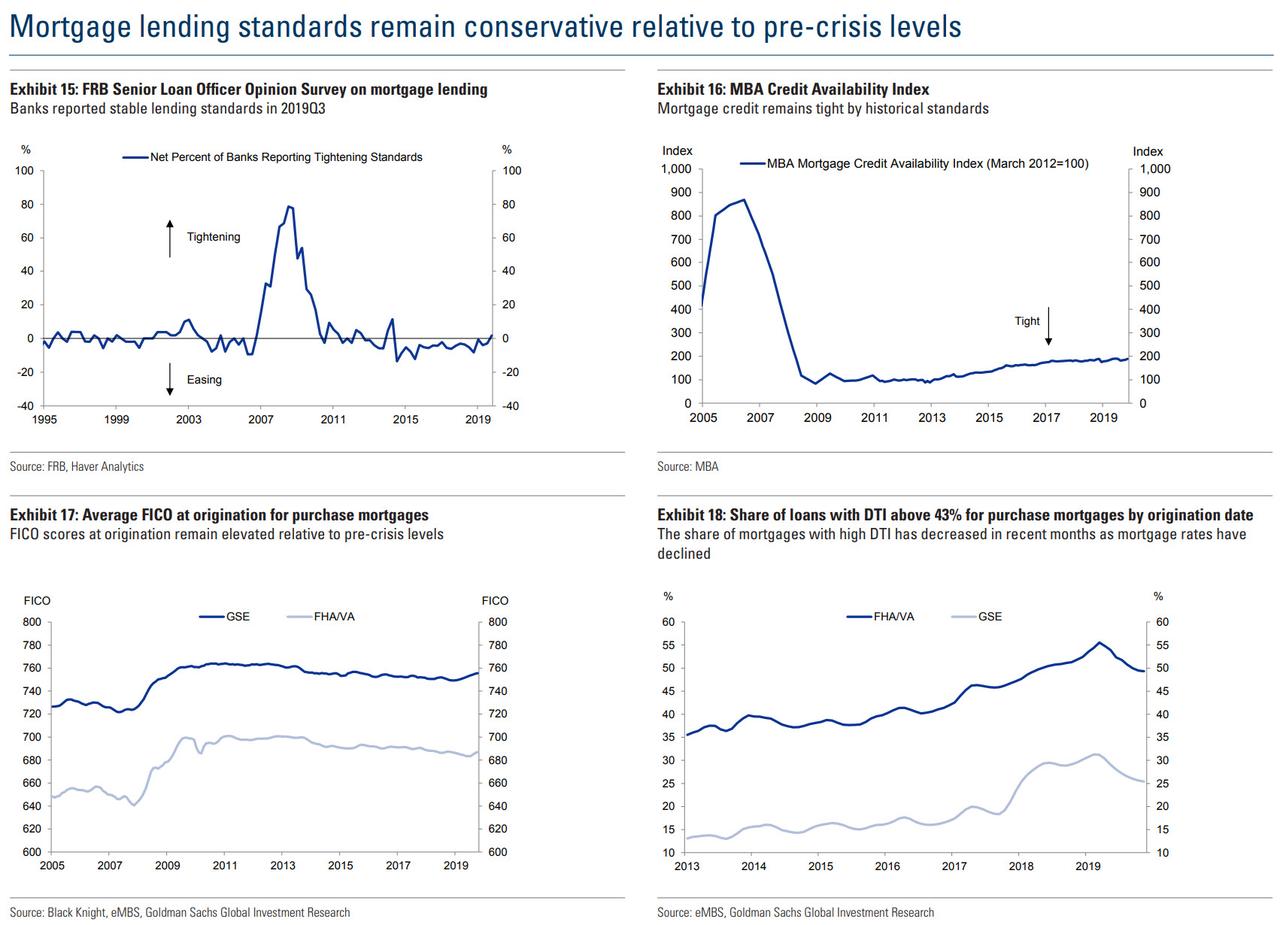
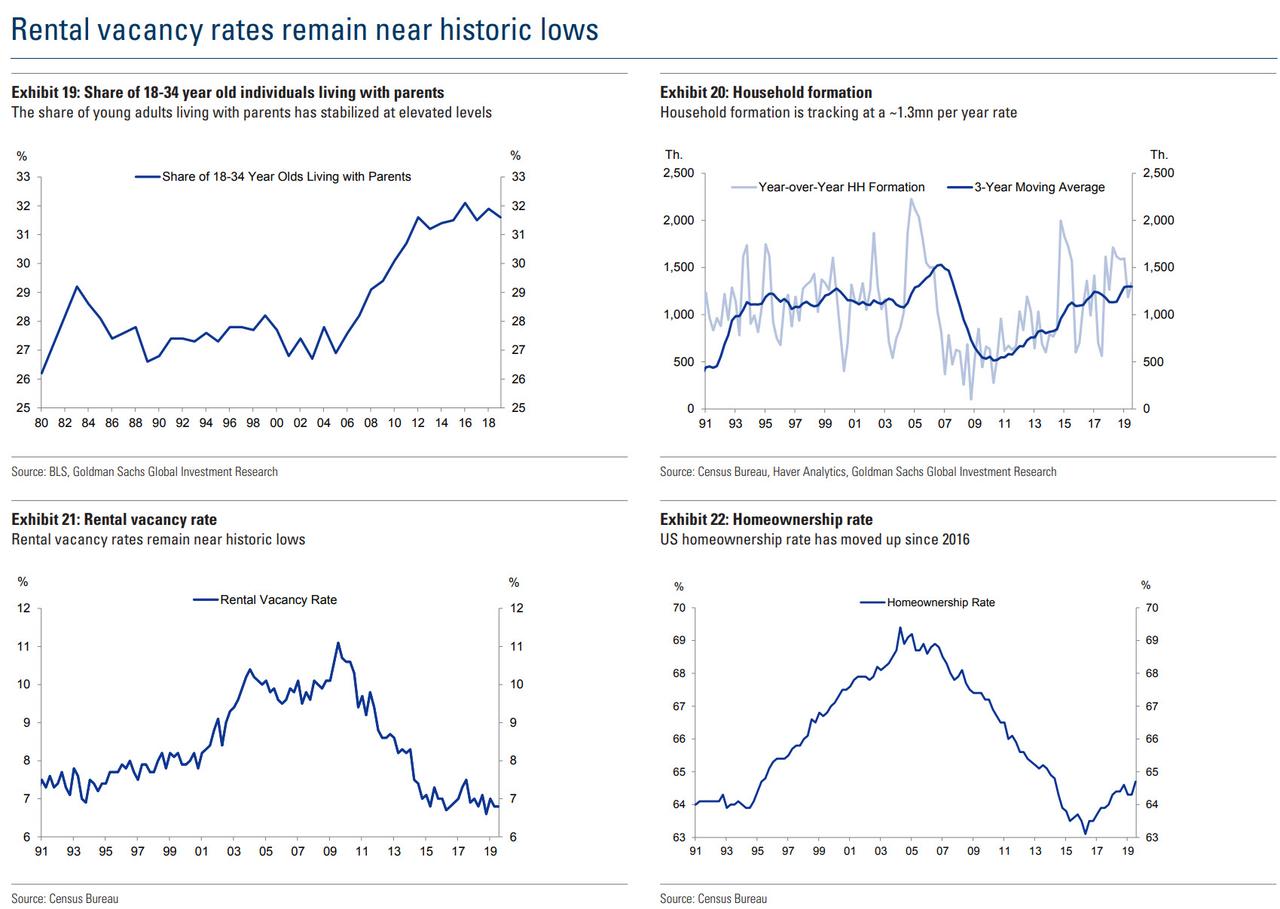
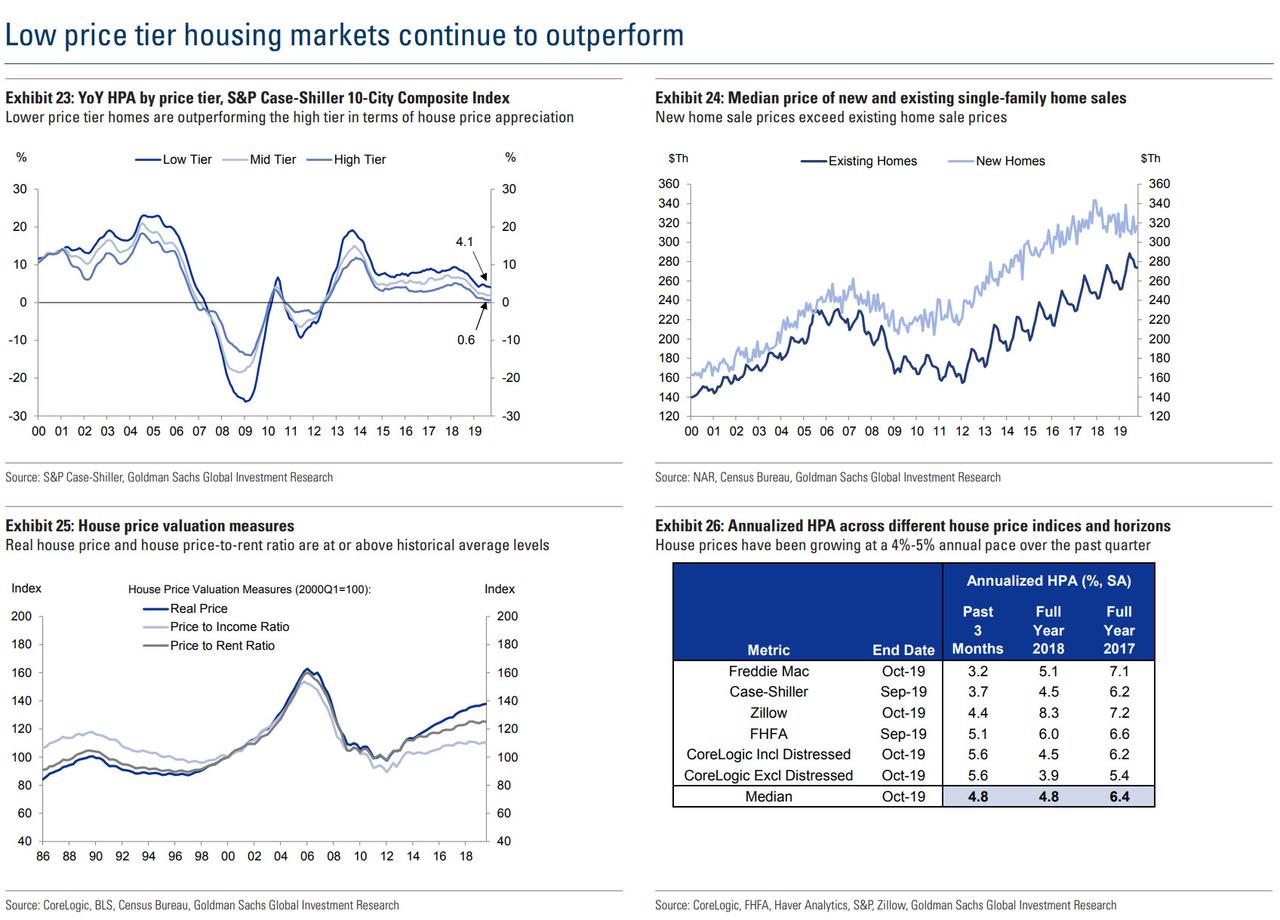
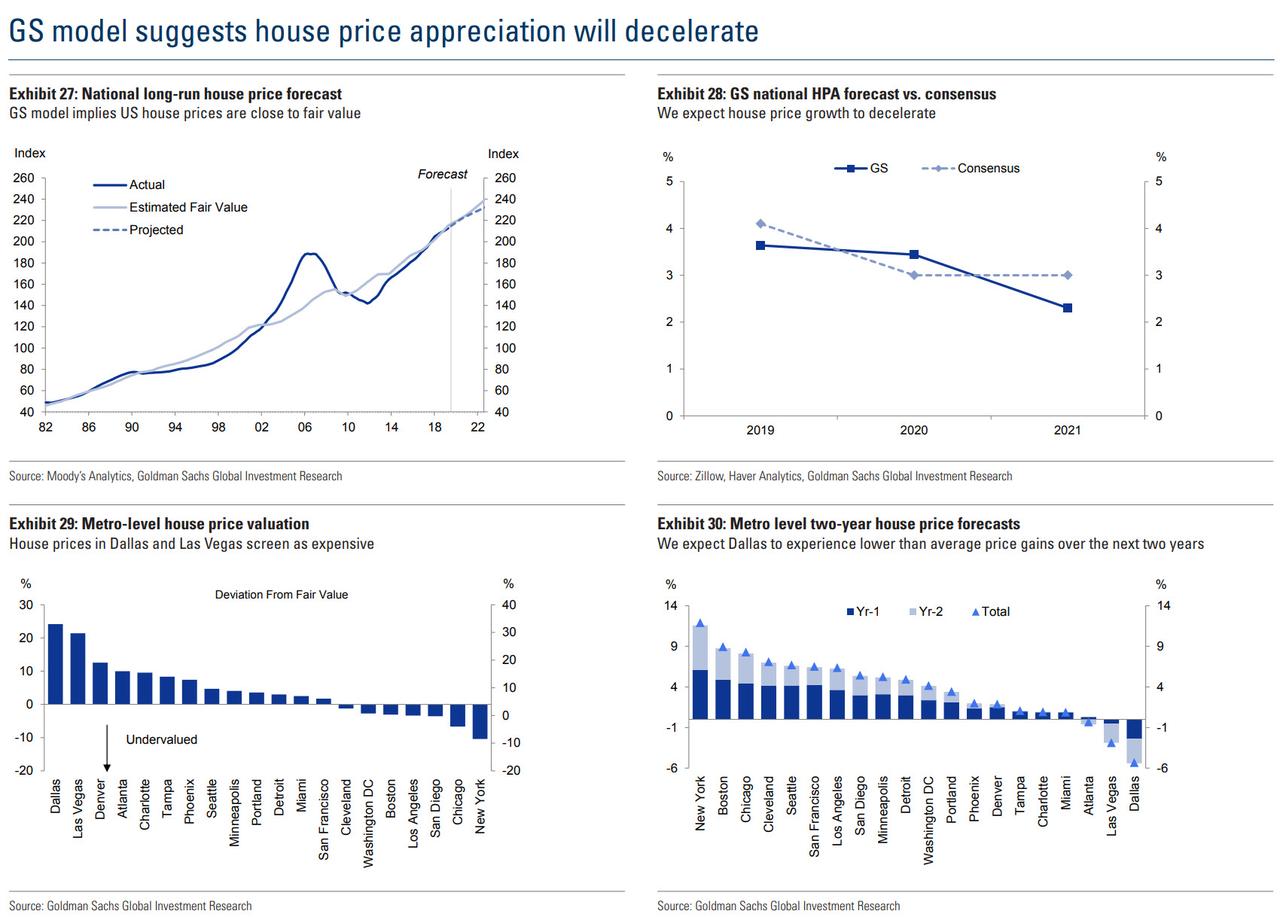
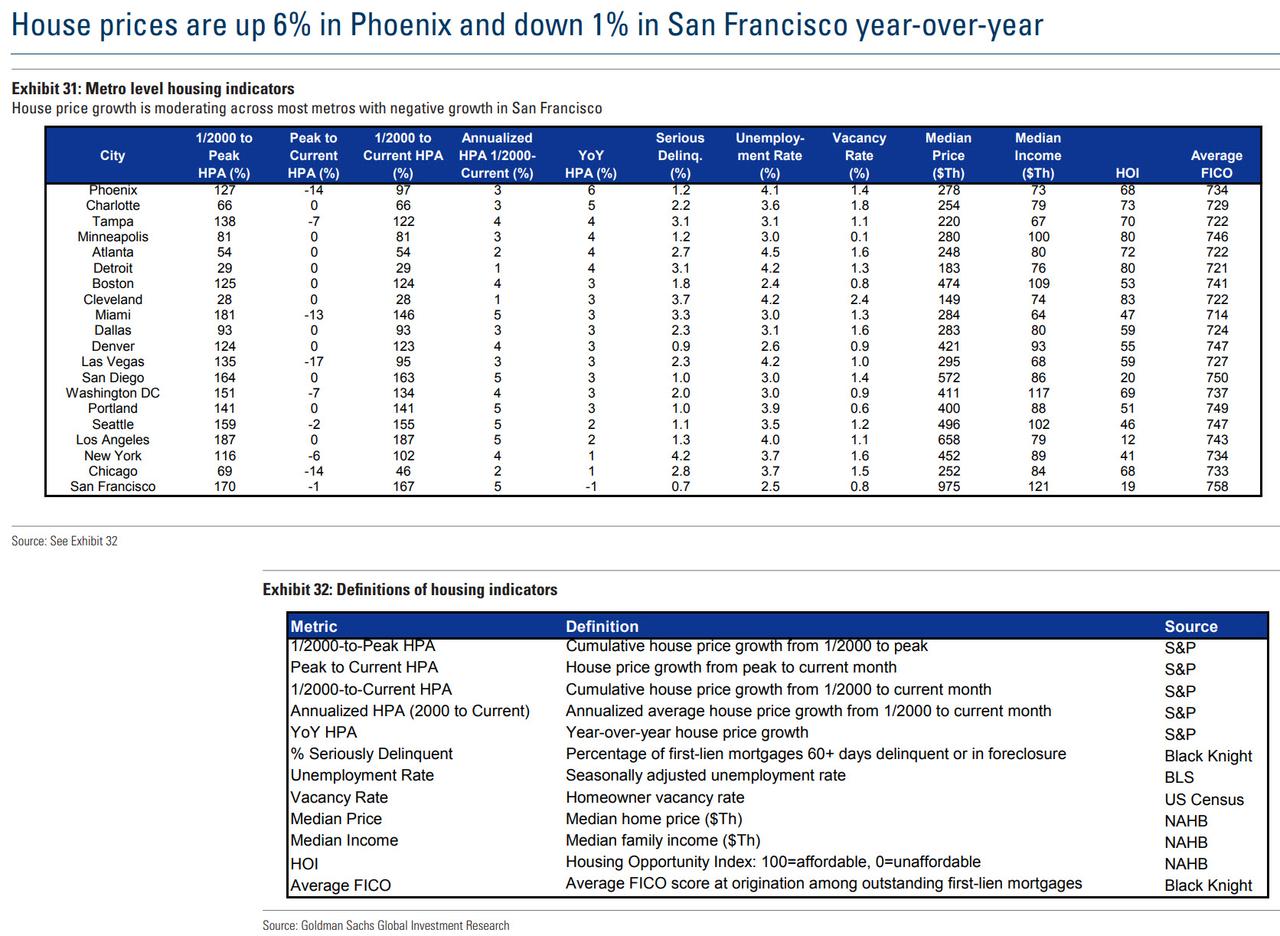
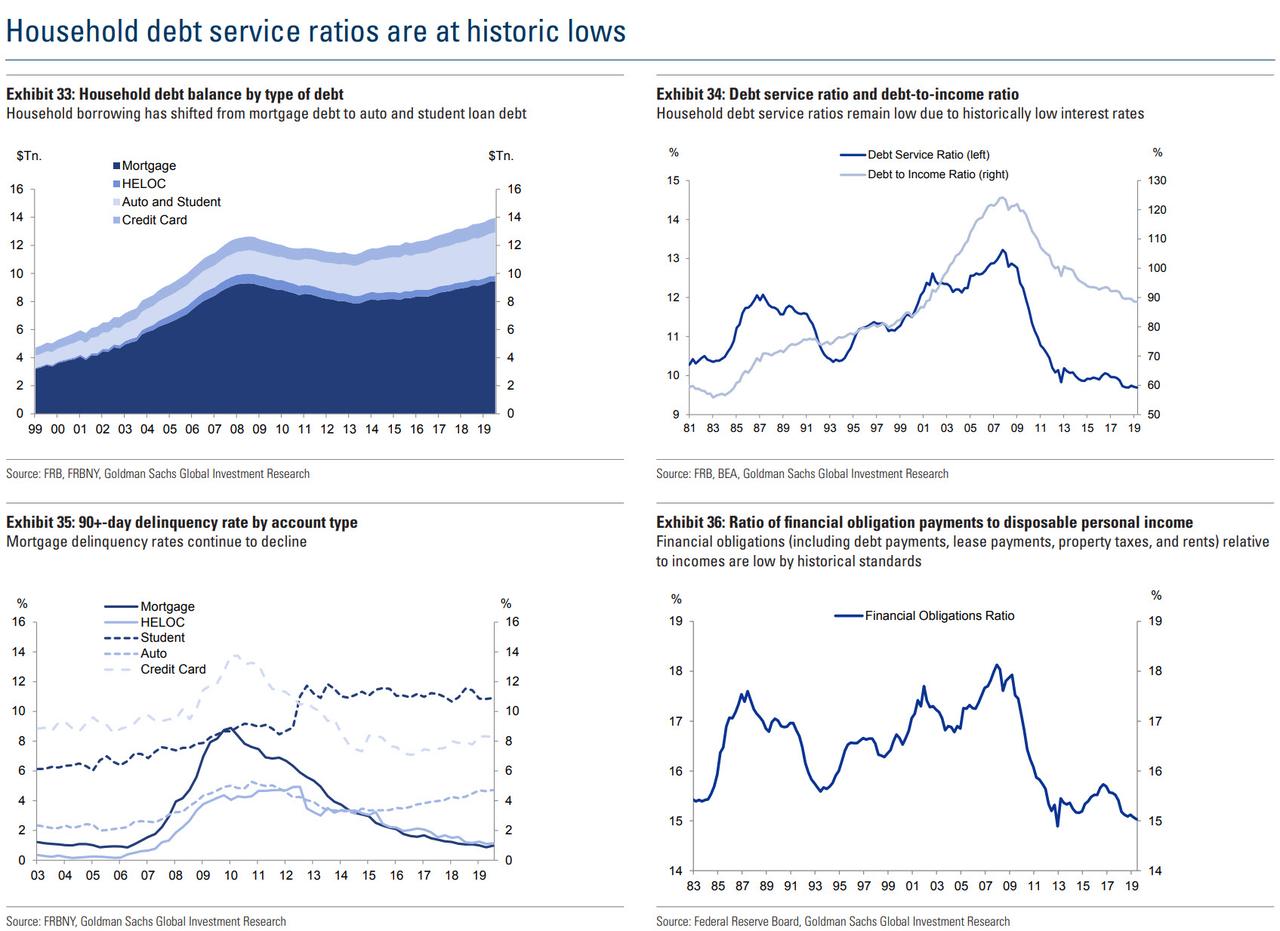
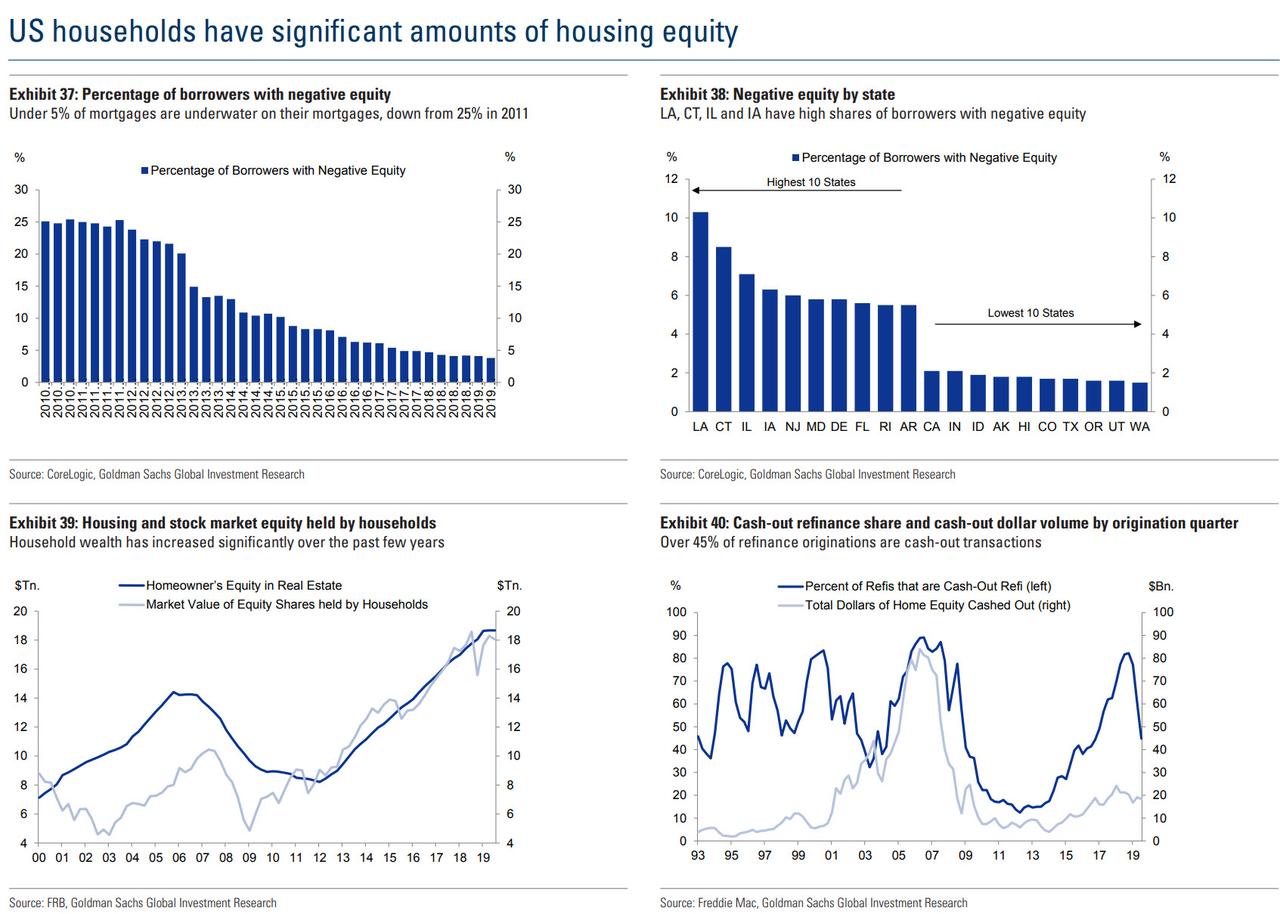
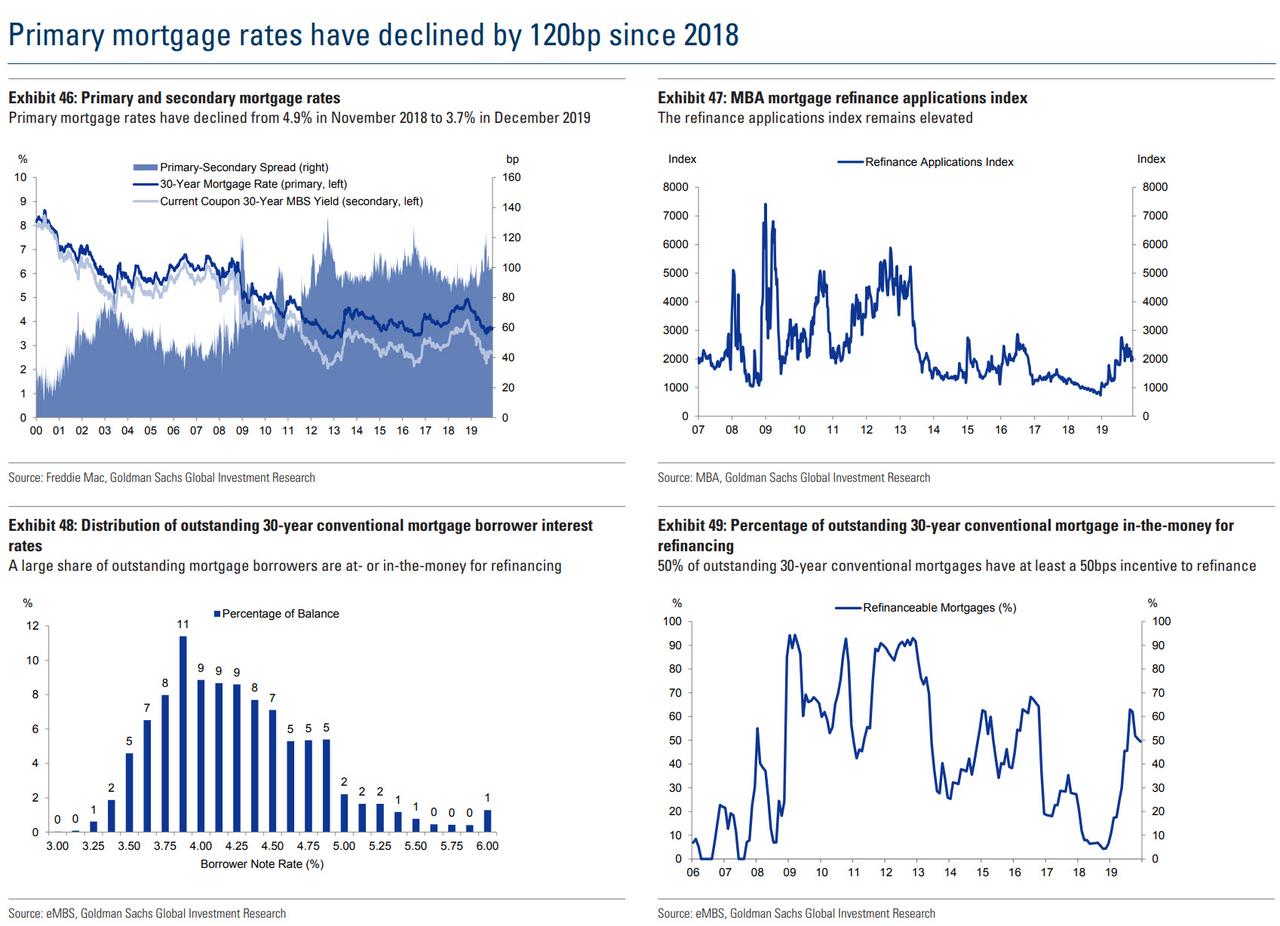
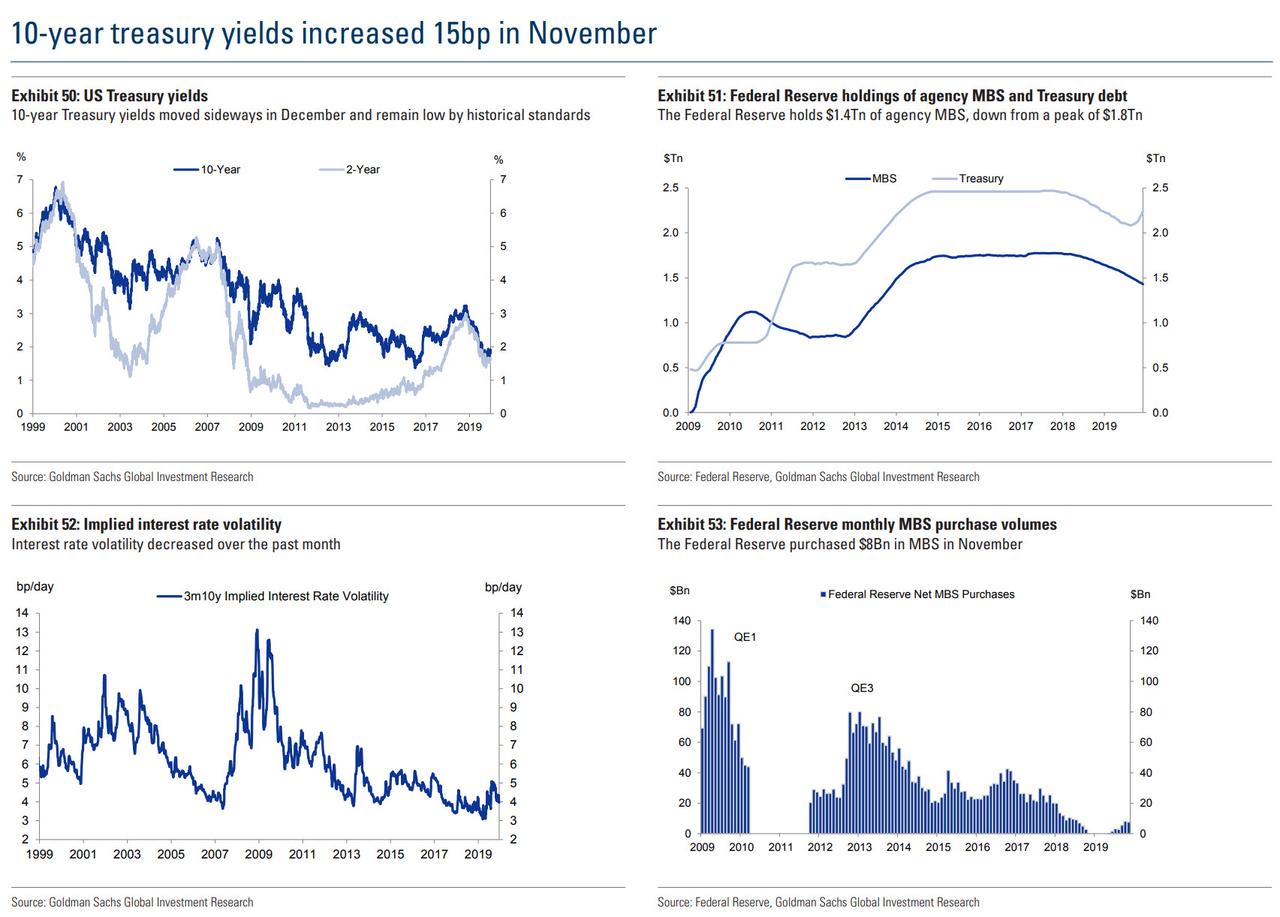
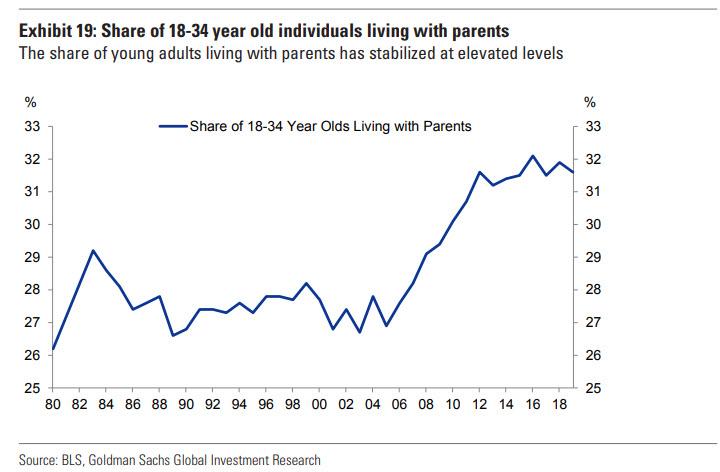
2019 Housing Market Highlights, In Goldman Charts

Looking ahead, Goldman strategist Marty Young expects slightly higher mortgage rates and a strong housing market for 2020:
  • Expect mortgage rates to increase by 25bp in 2020, ending the year at 4.0%.
  • Look for single family housing starts to increase by 5% in 2020 vs. 2019.
  • Expect the Case-Shiller US house price index to grow by 3% in 2020.
  • Expect 30% of outstanding conventional 30-year mortgage borrowers to still be in-the-money for refinancing in 2020Q4.
  • Look for mortgage spreads to move sideways and for IG spreads to widen by 20bp in 2020H1.
  • Expect Federal Reserve MBS holdings to decline by an additional $220bn in 2020.
  • Expect non-QM issuance to grow again to $30bn in 2020.
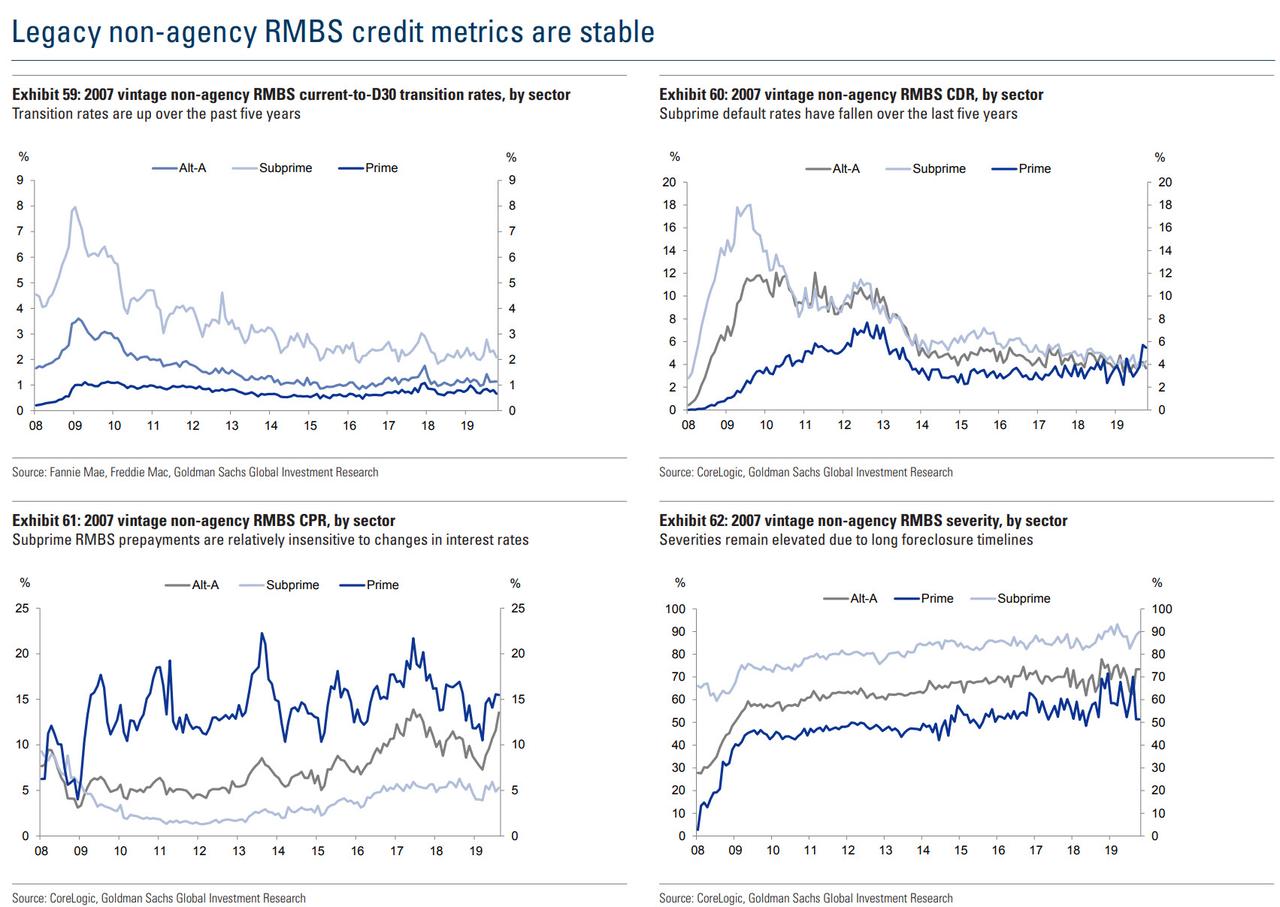
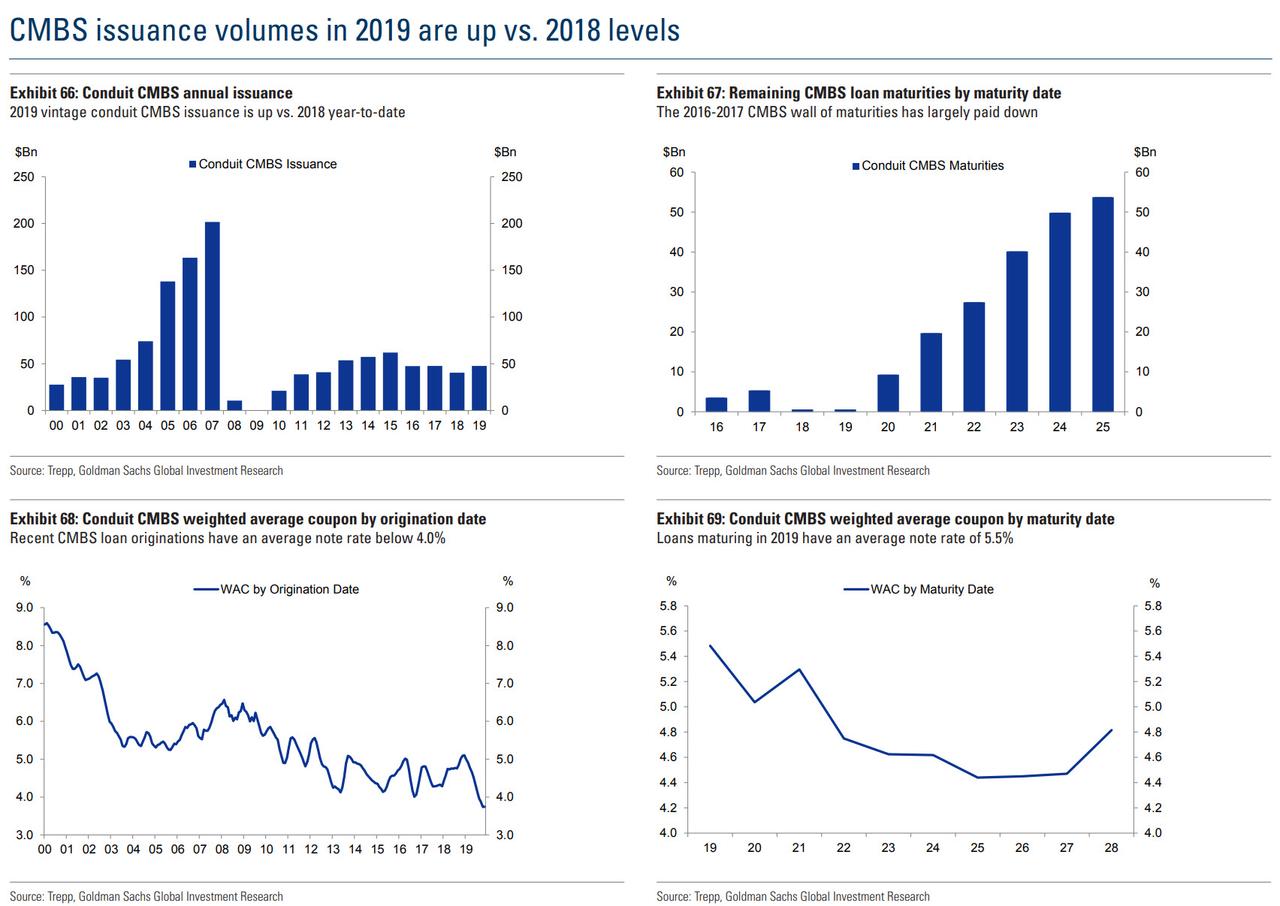
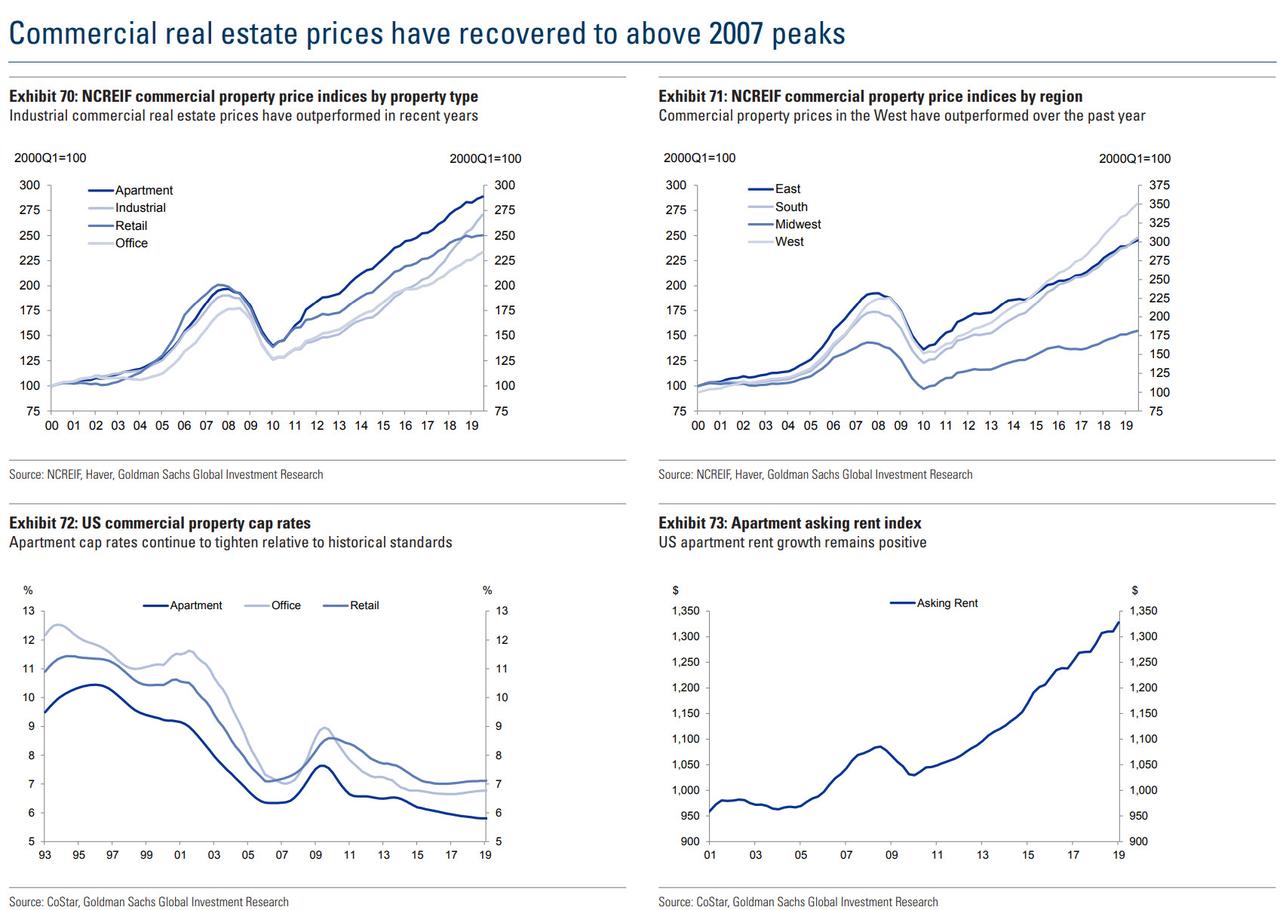
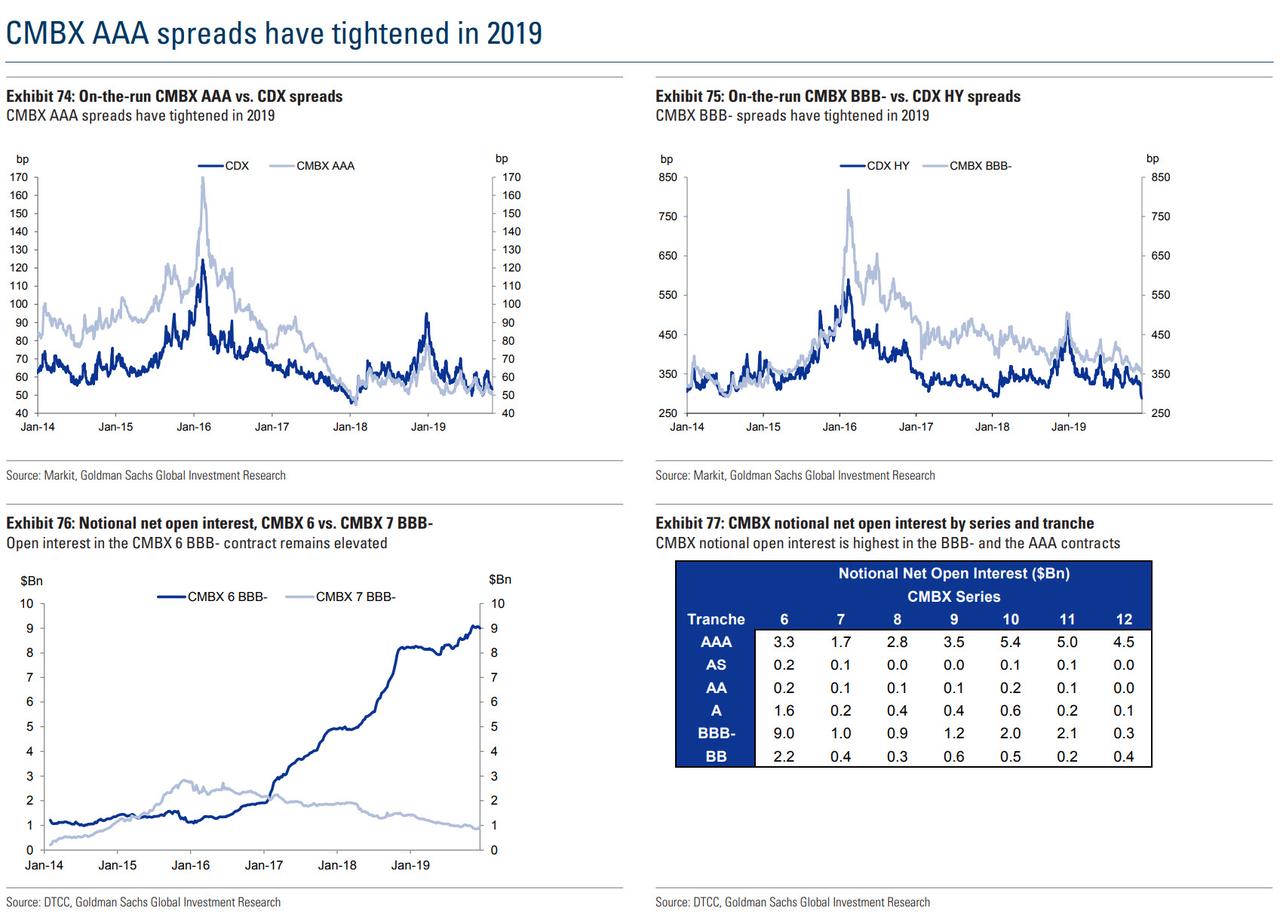
And here are some of the pivotal charts recapping the housing market from the perspective of Goldman Sachs: